Optimal Conditions for Concrete Repairs
Concrete repairs are most effective when performed during specific weather conditions that promote proper curing and adhesion. Temperature, humidity, and seasonal factors significantly influence the success of repair projects. Optimal conditions help prevent issues such as cracking, improper setting, or surface defects.
Spring offers moderate temperatures and higher humidity, ideal for concrete repairs. Warmer weather ensures proper curing without rapid drying.
Early summer is suitable if temperatures are within the recommended range. Avoid peak heat hours to prevent quick drying and cracking.
Fall provides cooler temperatures and lower humidity, creating favorable conditions for concrete setting and reducing thermal stress.
Winter conditions pose risks such as freezing temperatures, which can impair curing. Repairs should be scheduled during milder winter days or indoors.
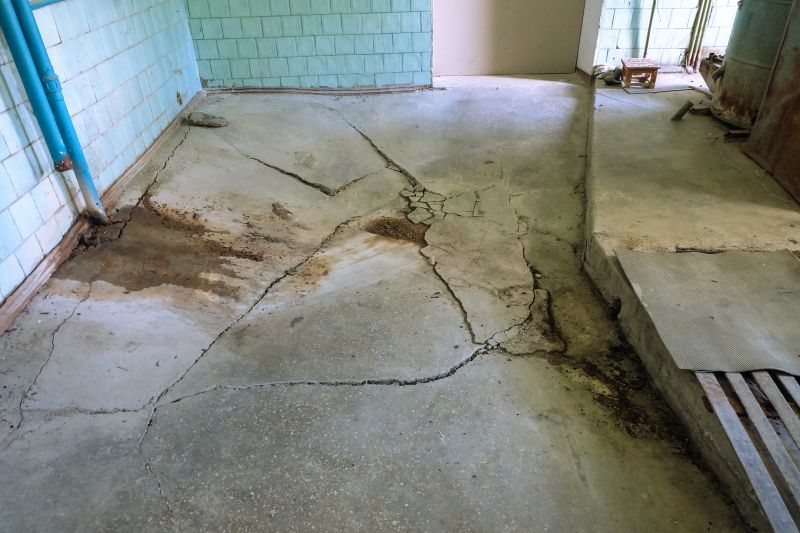
Ways to make Concrete Repairs work in tight or awkward layouts.
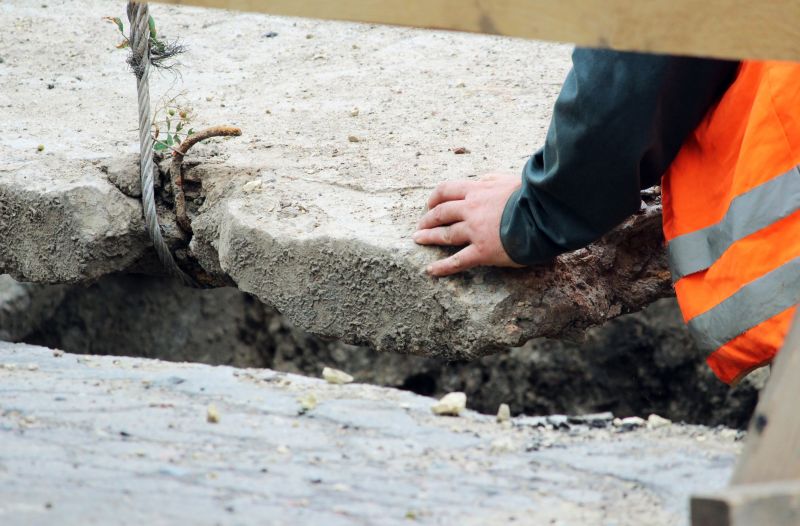
Popular materials for Concrete Repairs and why they hold up over time.
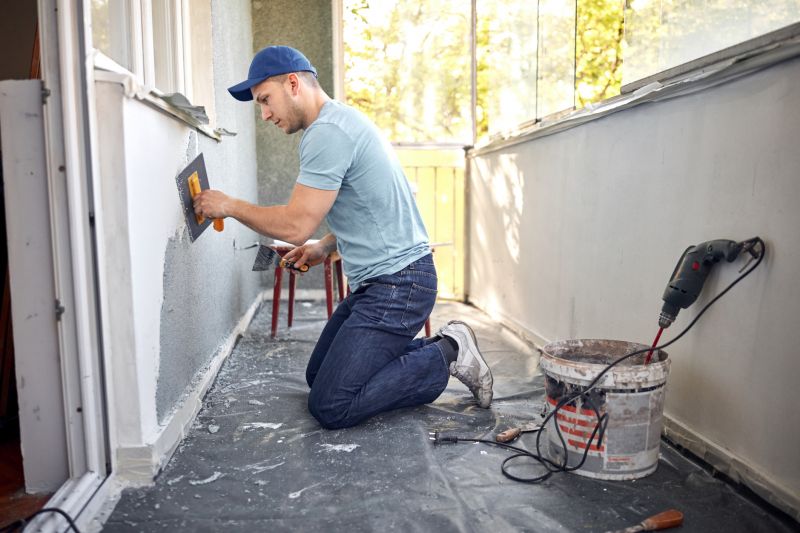
Simple add-ons that improve Concrete Repairs without blowing the budget.
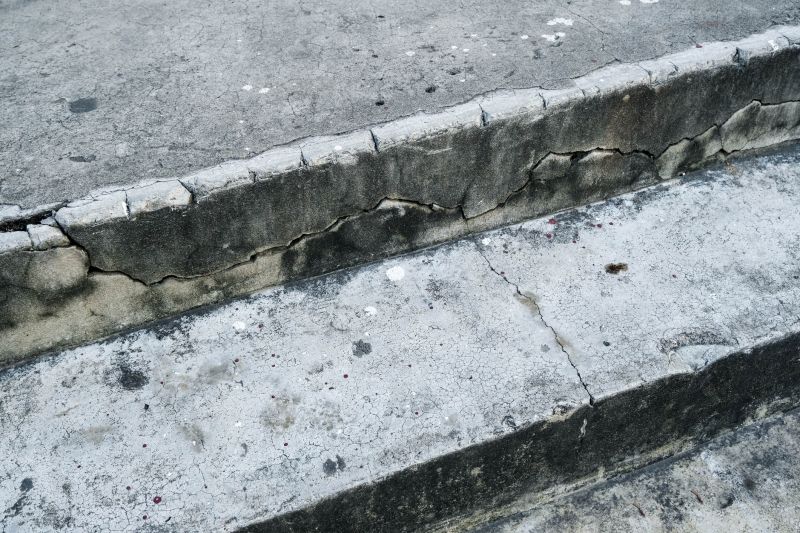
High-end options that actually feel worth it for Concrete Repairs.
| Season | Optimal Conditions |
|---|---|
| Spring | Moderate temperatures, higher humidity, ideal for curing. |
| Summer | Warm but not excessively hot, avoid peak heat hours. |
| Fall | Cooler temperatures, lower humidity, good for setting. |
| Winter | Freezing temperatures, best to avoid or use indoor options. |
Concrete repairs require careful timing to ensure longevity and performance. Proper weather conditions minimize issues such as cracking, improper curing, or surface imperfections. Scheduling repairs during suitable seasons enhances results and reduces the need for rework.
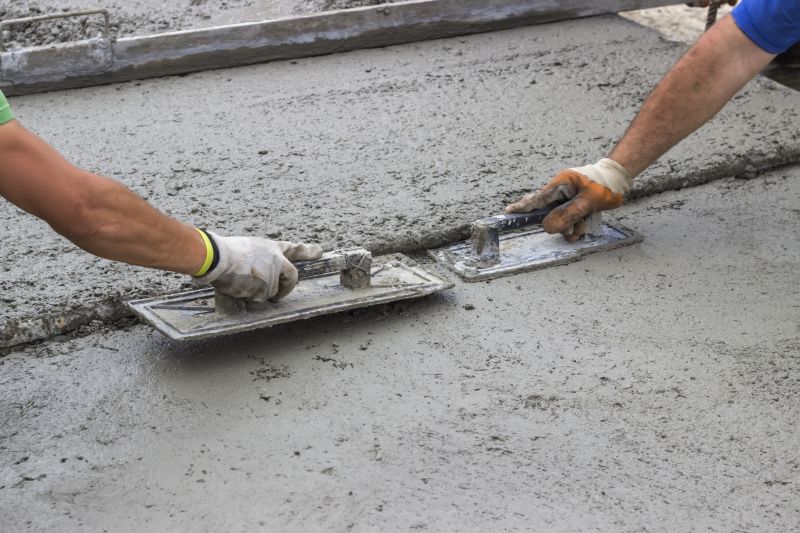
Finishes and colors that play nicely with Concrete Repairs.
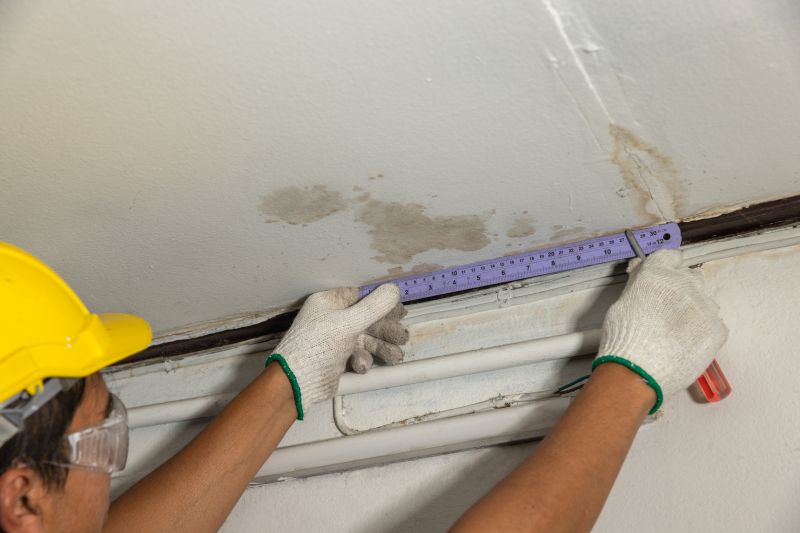
Little measurements that prevent headaches on Concrete Repairs day.
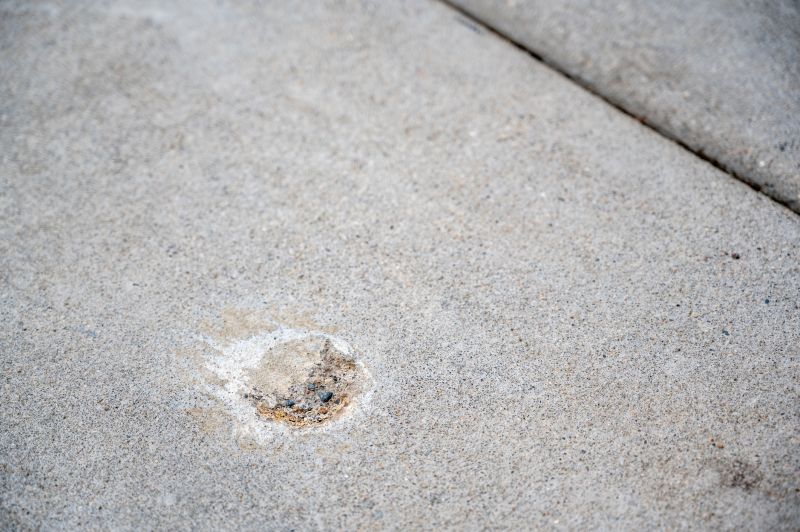
A 60-second routine that keeps Concrete Repairs looking new.
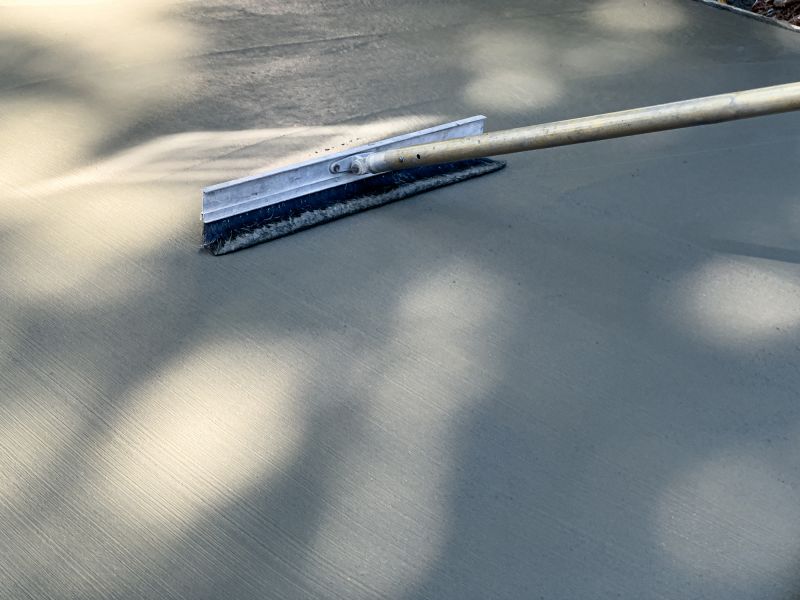
A frequent mistake in Concrete Repairs and how to dodge it.
Concrete repairs are essential for maintaining structural integrity and aesthetic appeal. Proper timing and execution help prevent future issues such as cracks, spalling, or surface deterioration. Regular assessments and timely interventions extend the lifespan of concrete structures.
Identify cracks, surface wear, and structural issues to determine repair needs.
Select appropriate techniques based on damage severity and environmental conditions.
Clean and prepare the surface to ensure proper adhesion and durability.
Allow adequate curing time and avoid stress on the repaired area.